

Discovering Kibale Forest National Park in Uganda
Nestled in the heart of the lush landscapes of Uganda, Kibale Forest National Park stands as a testament to the country’s commitment to preserving its extraordinary biodiversity. Renowned for its dense tropical rainforest, diverse ecosystems, and remarkable wildlife, Kibale Forest National Park has become a haven for nature enthusiasts and adventure seekers. Let’s embark on a journey to explore the wonders of Kibale Forest National Park, uncovering its location, expansive size, and the captivating tourist attractions that make it a unique destination.
Kibale Forest National Park stands as a jewel in Uganda’s crown, a testament to the nation’s commitment to biodiversity conservation. Whether you’re captivated by the playful antics of chimpanzees, the vibrant plumage of exotic birds, or the serene beauty of crater lakes, Kibale offers an immersive experience that connects visitors with the magic of the natural world. Explore the enchanting biodiversity of Kibale Forest National Park and witness the harmonious coexistence of wildlife and pristine ecosystems in one of Africa’s most captivating destinations.
Location
Situated in western Uganda, Kibale Forest National Park extends across parts of Kabarole and Kamwenge districts. The park is part of the larger equatorial rainforest belt and is nestled within the Albertine Rift region, renowned for its exceptional biodiversity. Its strategic location makes it easily accessible from the capital city, Kampala, providing a natural retreat for those seeking an escape into the wild.
Size
Kibale Forest National Park spans an area of approximately 795 square kilometers (307 square miles), making it a significant part of Uganda’s conservation efforts. The park’s expansive size encompasses a variety of habitats, including tropical rainforests, grasslands, and wetlands, contributing to the rich tapestry of life that calls Kibale home.
Tourist Attractions
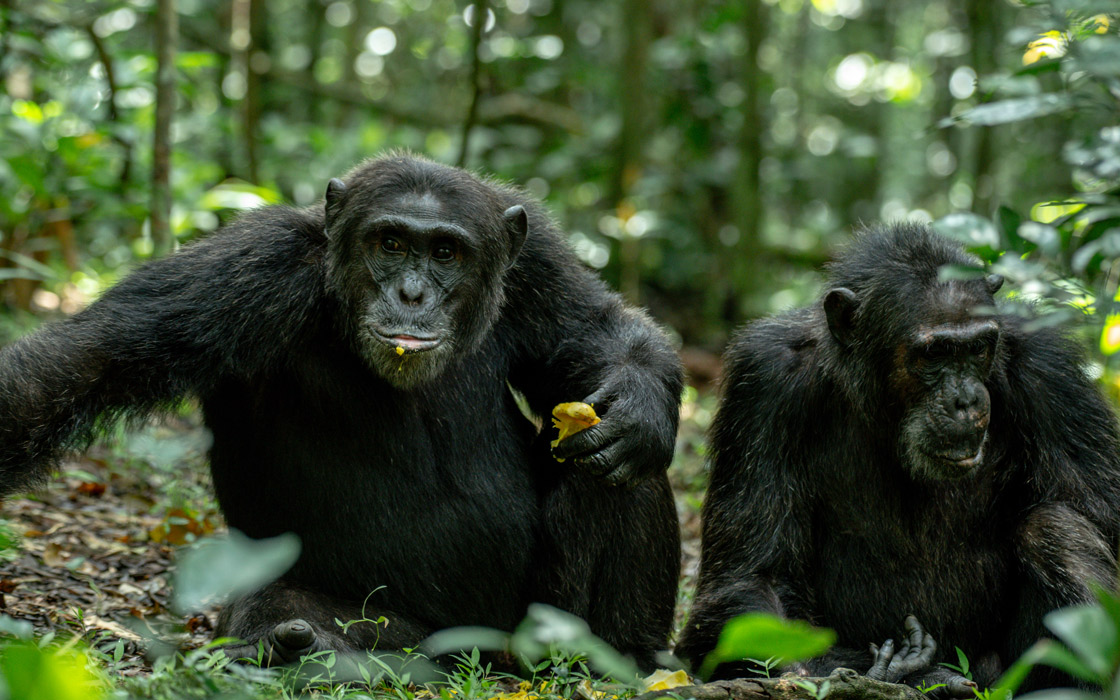
Chimpanzee Tracking: Kibale Forest National Park is celebrated as the “Primate Capital of the World,” and for good reason. The park is home to a thriving population of chimpanzees, and guided chimpanzee tracking experiences offer visitors the chance to observe these intelligent creatures in their natural habitat. The Kanyanchu Primate Walk is a popular trail, allowing visitors to witness not only chimpanzees but also other primates like red colobus monkeys and grey-cheeked mangabeys.
Bird Watching: Boasting over 375 bird species, Kibale Forest is a paradise for birdwatchers. The dense canopy is alive with the vibrant colors and melodious calls of various bird species, including the elusive Green-breasted Pitta, African Pitta, and the Great Blue Turaco.
Bigodi Wetland Sanctuary: Adjacent to the park, the Bigodi Wetland Sanctuary offers a different perspective on biodiversity. Guided walks through this community-managed sanctuary showcase the beauty of the wetlands and provide opportunities to spot unique bird species, primates, and butterflies.
Kibale Crater Lakes: The park is surrounded by numerous crater lakes formed by volcanic activity. These lakes not only contribute to the scenic beauty of the area but also provide habitats for diverse aquatic life. The Kibale Crater Lakes region is perfect for those seeking tranquility and stunning landscapes.
Nature Walks and Hiking Trails: Kibale Forest National Park offers a network of trails for nature walks and hikes. These trails lead visitors through different ecosystems, from dense forests to open grasslands, allowing for a comprehensive exploration of the park’s diverse habitats.
Cultural Encounters: Engage with the local communities surrounding the park and participate in cultural encounters. Learn about traditional practices, dances, and crafts, gaining a deeper understanding of the symbiotic relationship between the communities and the forest.