

Majestic Peaks and Alpine Wonders: Exploring Rwenzori Mountains National Park in Uganda
Nestled on the border between Uganda and the Democratic Republic of the Congo, the Rwenzori Mountains National Park stands as an awe-inspiring testament to nature’s grandeur. Renowned for its towering peaks, glacial lakes, and unique alpine vegetation, this national park offers a trekking experience unlike any other in East Africa. Let’s embark on a journey to uncover the mystique of the Rwenzori Mountains, delving into its location, expansive size, and the captivating tourist attractions that make it a must-visit destination.
Rwenzori Mountains National Park beckons adventurers and nature enthusiasts to explore its rugged beauty and uncover the secrets hidden within its towering peaks. From the challenging ascent of Margherita Peak to the serene beauty of glacial lakes and the rich biodiversity that thrives at high altitudes, every step in this national park is a journey into the heart of East Africa’s alpine wonders. Discover the majestic peaks and untamed beauty of Rwenzori Mountains National Park, where nature’s grandeur takes center stage in an unforgettable adventure.
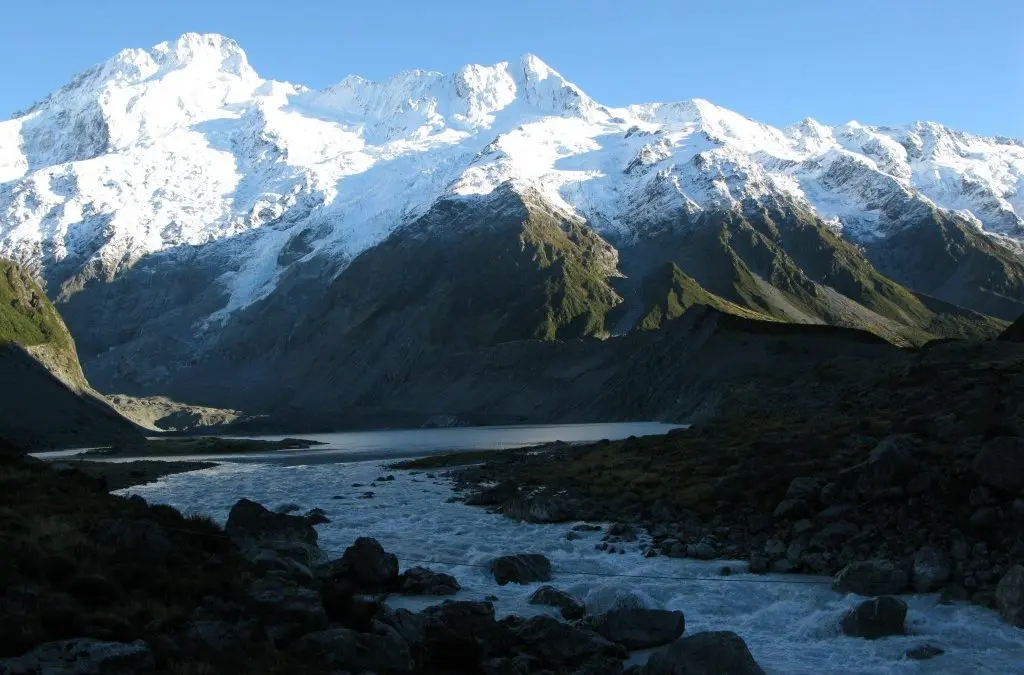
Location
Rwenzori Mountains National Park is situated in the western part of Uganda, straddling the border with the Democratic Republic of the Congo. The park encompasses the Rwenzori mountain range, also known as the “Mountains of the Moon,” stretching for about 120 kilometers (75 miles). The park is easily accessible from the town of Kasese and is part of the larger Rwenzori Mountains, which form a natural border between the two countries.
Size
Covering an area of approximately 996 square kilometers (384 square miles), Rwenzori Mountains National Park is a UNESCO World Heritage Site. The park is renowned for its exceptional natural beauty, featuring some of Africa’s highest peaks, including Mount Stanley’s Margherita Peak, which stands at an impressive 5,109 meters (16,763 feet) above sea level. The diverse ecosystems within the park contribute to its significance, ranging from montane forest to alpine meadows and glaciers.
Tourist Attractions
Mountaineering and Trekking: The primary attraction of Rwenzori Mountains National Park lies in its challenging yet rewarding trekking opportunities. Mount Stanley, with its three summits, is a favorite among mountaineers. The trek to Margherita Peak takes adventurers through changing landscapes, from dense forests and bamboo zones to the surreal moorland and rocky terrain, culminating in the glacial landscapes near the summit.
Glacial Lakes: The Rwenzori Mountains are adorned with numerous glacial lakes, each a sparkling jewel amid the rugged terrain. Lake Bujuku and Lake Kitandara are among the highlights, offering mesmerizing reflections of the surrounding peaks. These high-altitude lakes contribute to the park’s unique alpine ecosystem and provide stunning scenery for trekkers.
Rich Biodiversity: The park is a haven for biodiversity, with a variety of plant and animal species adapted to the high-altitude environment. The Rwenzori Mountains are home to several endemic species, including the Rwenzori duiker and the Rwenzori turaco. The park’s diverse flora includes unique plants such as giant lobelias and groundsels.
Bird Watching: The avian diversity in Rwenzori Mountains National Park is remarkable, with over 170 bird species recorded. Birdwatchers can spot the Rwenzori turaco, Rwenzori batis, and the handsome francolin, among others, against the stunning backdrop of the mountainous landscapes.
Cultural Encounters: The communities around the park, including the Bakonzo people, add a cultural dimension to the visitor experience. Guided community walks provide insights into the traditional practices, beliefs, and lifestyles of the local inhabitants, enriching the overall journey.
Mubuku Valley: The Mubuku Valley, located on the foothills of the Rwenzori Mountains, offers picturesque landscapes and is an excellent area for nature walks. Visitors can explore the valley’s lush vegetation, waterfalls, and enjoy panoramic views of the surrounding peaks.